
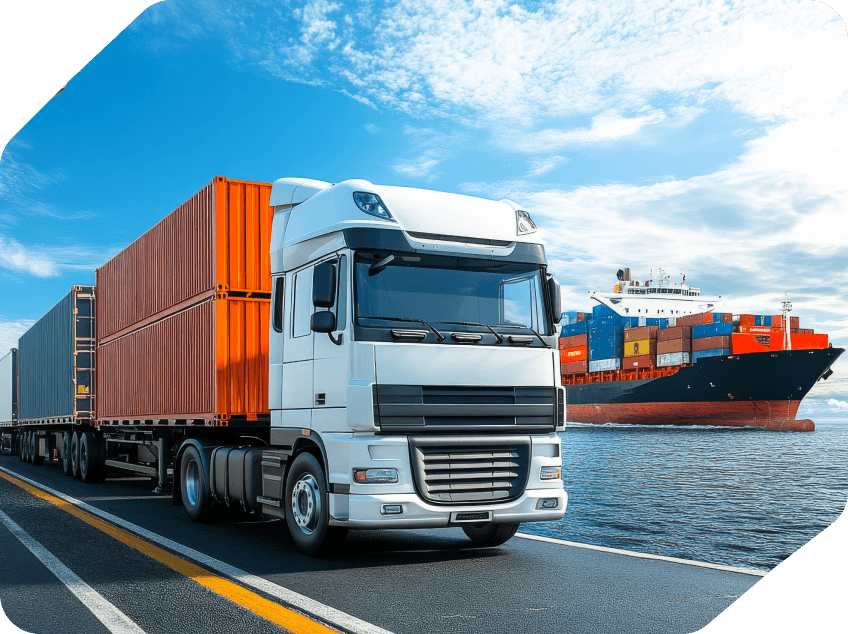
Moving heavy and oversized cargo is very different from transporting regular goods. Large machinery, industrial equipment, plant components and other over-dimensional cargo often require careful planning, specialized vehicles, route checks and proper coordination.
A small mistake during transportation can cause delays, damage, higher costs or safety concerns. That is why ODC cargo transportation needs an experienced logistics partner who understands the complete movement process.
In this guide, we will explain what ODC cargo is, how ODC transportation works, the challenges involved and why proper planning is important for safe and efficient cargo movement.
What Is ODC Cargo Transportation?
ODC stands for Over Dimensional Cargo. It refers to cargo that exceeds the standard dimensions or weight limits normally allowed for regular transportation.
Examples of ODC cargo include:
- Heavy industrial machinery
- Large plant equipment
- Manufacturing equipment
- Industrial structures
- Boilers and generators
- Large construction equipment
- Oversized machinery components
Because this type of cargo can be wider, taller, longer or heavier than standard loads, it cannot always be transported using ordinary trucks.
ODC cargo transportation involves selecting the right vehicle, planning the route, arranging required permissions and coordinating the movement carefully from pickup to final delivery.
Why Does ODC Cargo Need Special Planning?
Transporting oversized cargo involves more than simply loading it onto a trailer.
The size and weight of the cargo can affect bridges, road widths, turning points, overhead structures, traffic movement and other parts of the route. Therefore, transportation planning should begin before the cargo is loaded.
A proper plan helps identify potential challenges early and allows the logistics team to arrange the required resources.
Some important planning areas include:
- Cargo dimensions and weight
- Vehicle selection
- Route suitability
- Road and bridge conditions
- Required permits
- Escort arrangements
- Loading and unloading requirements
- Delivery location access
Good planning can make the movement more organized and help reduce avoidable delays.
Common Types of ODC Cargo
ODC cargo can come from many industries. Manufacturing, infrastructure, construction, energy and industrial projects often require transportation of large and heavy equipment.
Some common examples are:
Heavy Machinery
Industrial machines can be large and difficult to move using standard transportation vehicles. Specialized trailers may be required depending on the machine’s dimensions and weight.
Plant Equipment
Equipment used in manufacturing plants may need to be shifted between factories, project sites or storage locations.
Industrial Components
Large structures, machinery parts and other industrial components can also require ODC transportation when their dimensions exceed normal transportation limits.
Construction Equipment
Heavy construction equipment and project machinery may need specialized transportation for movement between different locations.
How Does ODC Cargo Transportation Work?
A successful ODC movement usually involves several stages. Each stage needs proper coordination to keep the transportation process organized.
1. Cargo Assessment
The first step is to understand the cargo properly.
The logistics team reviews the cargo’s:
- Length
- Width
- Height
- Weight
- Loading requirements
- Unloading requirements
This information helps determine the type of vehicle and equipment required for transportation.
2. Vehicle Selection
The right vehicle is important for safe ODC transportation.
Depending on the cargo, transportation may require specialized trailers or other suitable vehicles. The vehicle should be selected according to the cargo’s dimensions, weight and route requirements.
Using an unsuitable vehicle can create unnecessary transportation challenges.
3. Route Planning
Route planning is one of the most important parts of ODC cargo movement.
The selected route may need to be checked for:
- Narrow roads
- Sharp turns
- Bridges
- Low-clearance structures
- Road conditions
- Traffic restrictions
- Difficult entry and exit points
A route that works for a regular truck may not be suitable for oversized cargo.
4. Permit Coordination
Oversized and heavy cargo movements may require specific permissions depending on the cargo, route and applicable regulations.
Proper permit coordination helps ensure that the movement follows the required transportation rules.
The logistics team can identify the relevant requirements and coordinate the necessary documentation before the journey begins.
5. Loading and Securing
Loading heavy or oversized cargo requires careful handling.
The cargo should be positioned correctly and secured properly before transportation. Trained loading crews and suitable equipment can help reduce the risk of movement or damage during transit.
6. Transportation and Tracking
Once the cargo is ready, the transportation journey begins.
GPS-enabled tracking can provide better visibility of the shipment during transit. It helps the logistics team monitor movement and coordinate updates throughout the journey.
7. Final Delivery
The final stage is delivery at the destination.
The team coordinates unloading and delivery according to the site requirements. Proper planning at the destination is also important, especially when the cargo needs specialized unloading equipment or has limited access.
Key Challenges in ODC Cargo Transportation
ODC transportation can involve several challenges that need to be considered before starting the movement.
Difficult Routes
Oversized cargo may not fit easily through narrow roads or tight turns. Route planning is therefore essential.
Height Restrictions
Overhead bridges, electrical lines and other structures can create clearance challenges for tall cargo.
Heavy Weight
Very heavy cargo can require specialized trailers and careful consideration of road and bridge conditions.
Traffic Management
Large cargo can take more road space and may require additional coordination during movement.
Loading and Unloading
Heavy machinery often requires suitable equipment and trained personnel for safe loading and unloading.
Delivery Site Access
Even when the main route is suitable, the final destination may have narrow entrances or limited space. Checking the delivery location in advance can help avoid problems.
How GPS Tracking Helps in ODC Transportation
Technology has become an important part of modern logistics.
GPS-enabled tracking provides better visibility of cargo movement during transportation. It can help logistics teams monitor the vehicle’s location and coordinate the shipment more effectively.
For businesses, better shipment visibility can make communication easier and provide more confidence while cargo is in transit.
At Infra On Wheels Pvt. Ltd., technology-enabled tracking is part of our approach to organized industrial cargo transportation.
Why Choose a Specialized ODC Transportation Partner?
ODC cargo requires more planning than standard transportation. Working with a logistics provider experienced in heavy and oversized cargo can make the process more organized.
A capable ODC logistics partner can support:
- Cargo assessment
- Vehicle planning
- Route surveys
- Permit coordination
- Escort arrangements
- Loading support
- GPS-enabled tracking
- Delivery coordination
This approach allows businesses to manage complex cargo movements through one coordinated logistics process.
ODC Transportation for Industrial Businesses
Industrial projects often depend on the timely movement of machinery and equipment. A delay in transporting a critical machine can affect installation schedules, production plans or project timelines.
This makes reliable industrial transportation especially important.
Whether cargo is being moved between manufacturing facilities, delivered to a project site or shifted to a warehouse, proper planning can help make the transportation process smoother.
The goal is not simply to move cargo from one location to another. It is to coordinate the entire movement in a safe, practical and efficient manner.
How Infra On Wheels Supports ODC Cargo Movement
Infra On Wheels Pvt. Ltd. provides industrial transportation and ODC cargo shifting support for businesses that need dependable movement of heavy and oversized cargo.
Our approach focuses on planning each movement according to the cargo and route requirements. With 100+ own vehicles, GPS-enabled tracking, trained teams and a growing pan-India network, we support industrial cargo movement across different locations.
Our ODC transportation support can include:
- Cargo assessment and planning
- Suitable vehicle arrangement
- Route survey coordination
- Permit coordination
- Escort support
- Loading and transportation
- GPS-enabled tracking
- Final delivery coordination
By bringing these activities together, we help businesses manage their industrial cargo movement through a more organized process.
Final Thoughts
ODC cargo transportation requires careful planning, suitable equipment and strong coordination. From understanding cargo dimensions to selecting the right vehicle, checking the route, arranging permits and managing final delivery, every stage can affect the success of the movement.
For heavy machinery, industrial equipment and oversized cargo, choosing the right logistics approach can help reduce avoidable delays and improve transportation efficiency.
With proper planning and technology-enabled logistics support, even complex cargo movements can be managed in a more organized and dependable way.
If your business needs support for ODC cargo transportation, heavy machinery shifting, industrial transportation or end-to-end cargo movement, Infra On Wheels Pvt. Ltd. can help coordinate the journey from planning to final delivery.
